Of all the repairs I do, fridge sealed-system work — compressors and refrigerant — is the one where people get oversold the most. "You need a new compressor" is a phrase that gets thrown around far too easily, often for a fridge that needs nothing of the sort. So let me pull back the curtain on how this actually works, what the real options are, and how to make sure you're not paying for a major repair you don't need.
How a fridge cools, in plain terms
A fridge cools using a sealed loop: the compressor pumps refrigerant, which absorbs heat from inside and releases it through the coils outside. As long as that sealed system is intact and the compressor is healthy, the fridge cools. The key word is sealed — refrigerant doesn't get "used up." If it's low, that means it leaked out, and a leak is a fault to fix, not just a top-up.
The myth of the dead compressor
Here's the honest truth from years of doing this: a genuinely failed compressor is far less common than people are told. When a fridge stops cooling, the cause is much more often one of these cheaper, non-sealed-system parts:
- A failed start relay (often the clicking noise people describe)
- A dead evaporator or condenser fan
- Condenser coils caked in dust, so heat can't escape
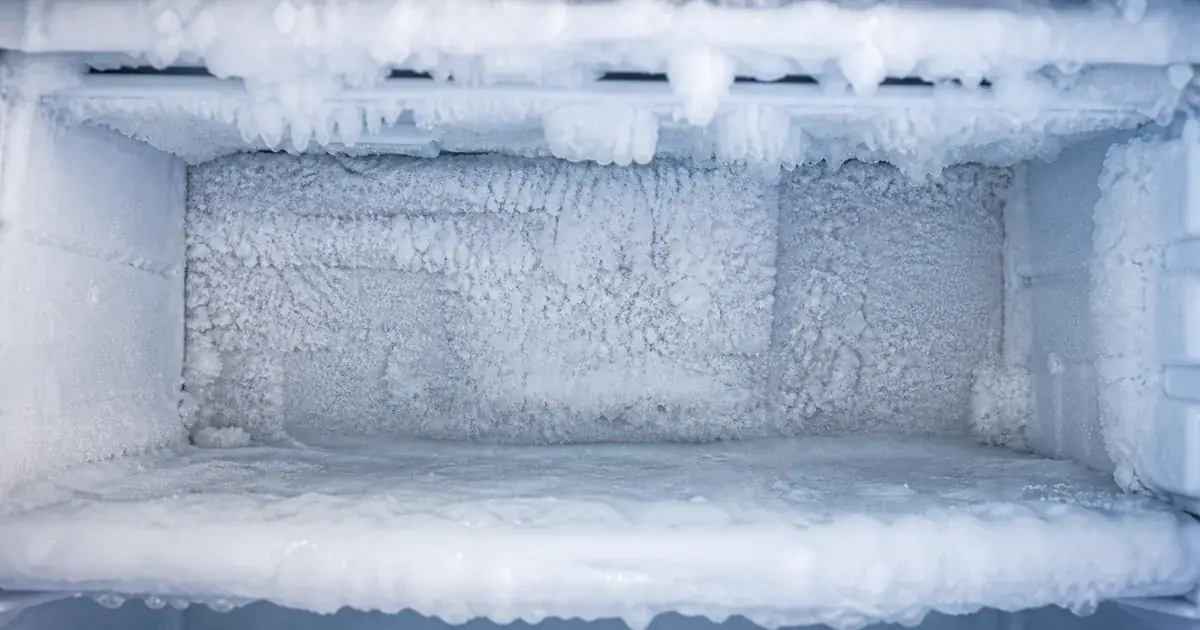
- A defrost fault letting ice block the airflow
I walk through all of these in fridge not cooling but the light is on. A proper diagnosis rules every one of them out before anyone says the word compressor — because the compressor is the single most expensive part on the fridge, and condemning it without testing is either lazy or dishonest.
"Just recharge it" — why that's rarely the whole story
If the refrigerant is genuinely low, someone might offer to "recharge" or "gas up" the fridge. Here's the catch: if the refrigerant leaked out, simply adding more without finding and sealing the leak is a temporary fix. It'll cool for a few weeks or months, then the gas escapes again and you're back where you started — having paid for nothing lasting.
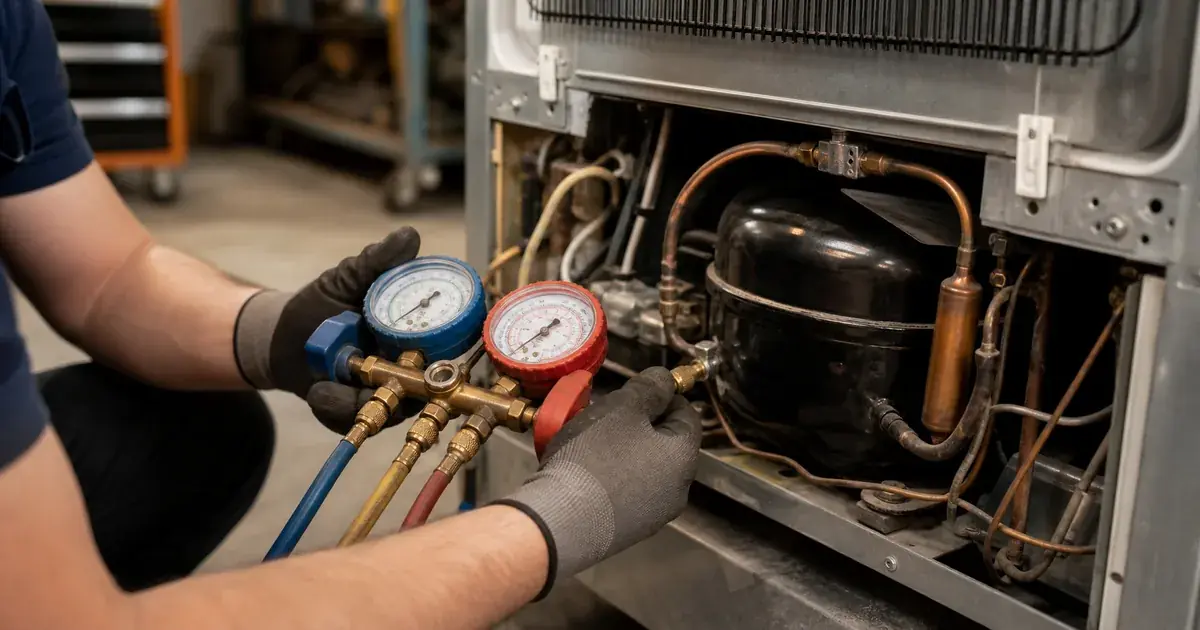
Proper sealed-system work means finding the leak, repairing it, evacuating the system, and recharging it to the correct amount. That's skilled work with specialised tools, and it's more involved (and more costly) than a quick top-up. When someone quotes you a cheap "recharge," ask whether they're finding the leak first. If they're not, you're buying a problem back.
When sealed-system work is worth it — and when it isn't
This is where it becomes a repair-or-replace decision. Sealed-system repairs are among the more expensive fridge fixes, so the maths matters:
- On a newer, good-quality fridge in the first half of its life, a proper leak repair and recharge — or even a compressor — can be well worth it.
- On an older fridge, the cost of doing sealed-system work correctly often approaches what a replacement would cost, and that's usually the point where I'll tell you honestly to put the money toward a new unit instead.
I'd rather lose the job and keep your trust than take your money for a big repair on a fridge that's near the end anyway.
Protecting the compressor you have
Compressors and relays are hit hard by our power instability. A spike when the power returns can damage the start relay or stress the compressor windings. A voltage stabiliser or a dedicated fridge guard — which also delays the compressor restarting in those erratic first minutes after an outage — is genuinely one of the best investments you can make to protect the most expensive part of your fridge.
When to call
If your fridge has stopped cooling and someone's already told you it needs a new compressor, get a second opinion before you spend that money — there's a real chance it's something far cheaper. And if it does turn out to be a sealed-system fault, make sure the leak is being repaired, not just topped up.
I diagnose cooling faults honestly across Kingston, Portmore, Spanish Town and the surrounding communities. Reach out and I'll tell you straight what your fridge actually needs.
Frequently asked questions
A true compressor failure is less common than people are told. Often the real cause is a start relay, a fan, or blocked coils. A proper diagnosis checks those first — a compressor is only condemned after testing, because it's the most expensive part on the fridge.
If there's a leak in the sealed system, simply adding refrigerant is a temporary fix — it leaks out again. The leak has to be found and sealed first. On an older fridge, that repair cost is often where replacement starts to make more sense.
Oshane founded Baytech Repairs and Installation and still does the repairs himself. He has spent years fixing washing machines, fridges, dryers and stoves in homes across Kingston, St. Andrew and St. Catherine. He writes these guides to help fellow Jamaicans get more life out of the appliances they already own — and to know when a problem is worth a call.