A washing machine talks to you. Not in words, but in sounds — and once you learn to read them, you can often catch a small, cheap problem long before it turns into a destroyed drum and a four-figure repair. The customers who call me at the first new noise almost always pay less than the ones who wait until the machine is screaming.
So let me walk you through the noises I get called out to, and what each one is usually telling you.
Banging or thumping on the spin
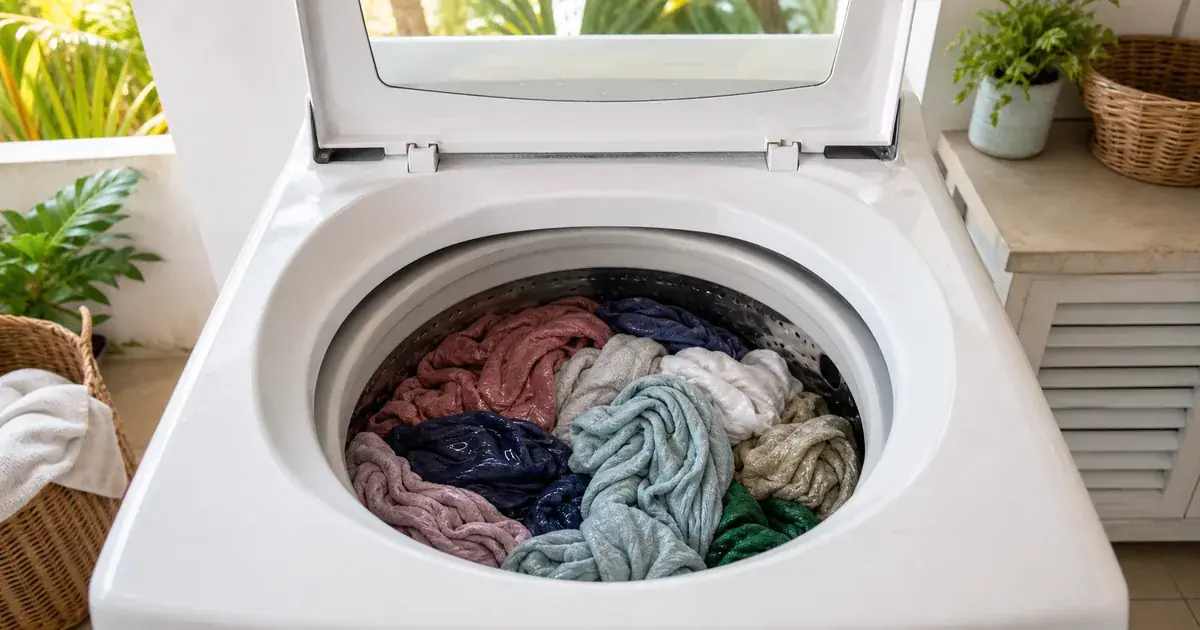
This is the most common noise complaint, and the good news is the most common cause is harmless: an unbalanced load. A heavy item bunched to one side throws the drum off, and at spin speed it bangs against the cabinet. Spread the load out and it usually stops.
If it keeps banging even with a balanced load, the next suspects are the suspension and shock absorbers — the parts that steady the drum. As they wear, the drum starts to knock around. That's a defined repair, and worth doing before the movement damages anything else. A machine that isn't sitting level will also bang and walk across the floor, so check that first.
Grinding or rumbling that gets louder over time
This is the one I want you to take seriously. A grinding or rumbling noise that builds gradually — often loudest during the spin — usually points to worn drum bearings. Bearings are what let the drum spin smoothly, and once they start to go, they don't recover.
Here's why it matters: caught early, bearings are a straightforward repair. Ignored for months, the failing bearings chew up the drum and tub, and at that point you're often looking at replacing so much of the machine that a new one makes more sense. This is the classic example of a noise that's cheap to fix now and expensive to fix later.
A squeal or screech
A high-pitched squeal, especially as the drum gets up to speed, often means a worn or slipping drive belt. Belts stretch and perish over the years. It's an inexpensive part and a common fix — but a slipping belt can also leave you with a machine that won't spin properly, so it's worth sorting before it fails completely.
A loud humming or buzzing with no movement
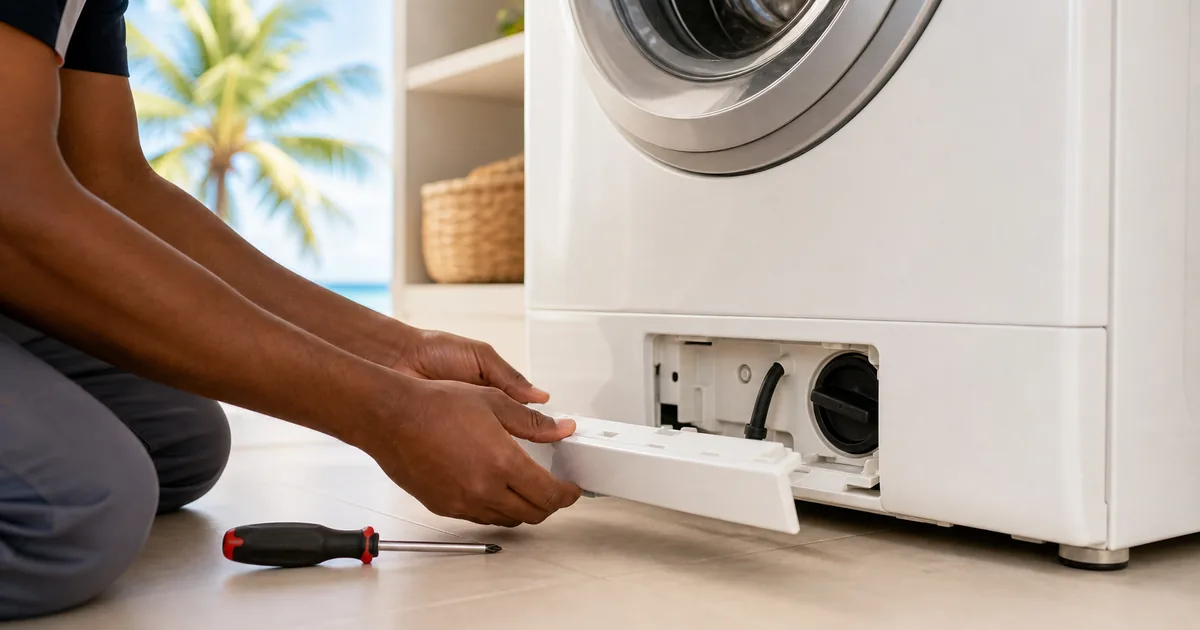
If you hear the motor or pump humming but nothing's turning, something is jammed or seized. A coin or small item stuck in the drain pump is a frequent cause — the pump strains against the blockage and hums. That ties into the drainage problems I see so often. Don't keep running it; a pump forced to push against a jam will burn out.
Clicking, rattling or knocking sounds
A rhythmic clicking can be something small caught in the drum or the filter — a coin, an underwire from a bra, a hair clip. Often it's harmless and clears when you remove it. A persistent rattle can be a loose counterweight or a part that's worked loose. Worth checking before it knocks something else out of place.
Why our conditions matter here
Two local factors speed up the wear behind these noises. Our hard water leaves scale that adds strain over time, and the habit of overloading — trying to get a big wash done in one go — pounds the bearings and suspension harder than they're built for. Going easy on the load size is the single best thing you can do to keep a machine quiet for longer, and it's tip number one in my maintenance guide.
When to call
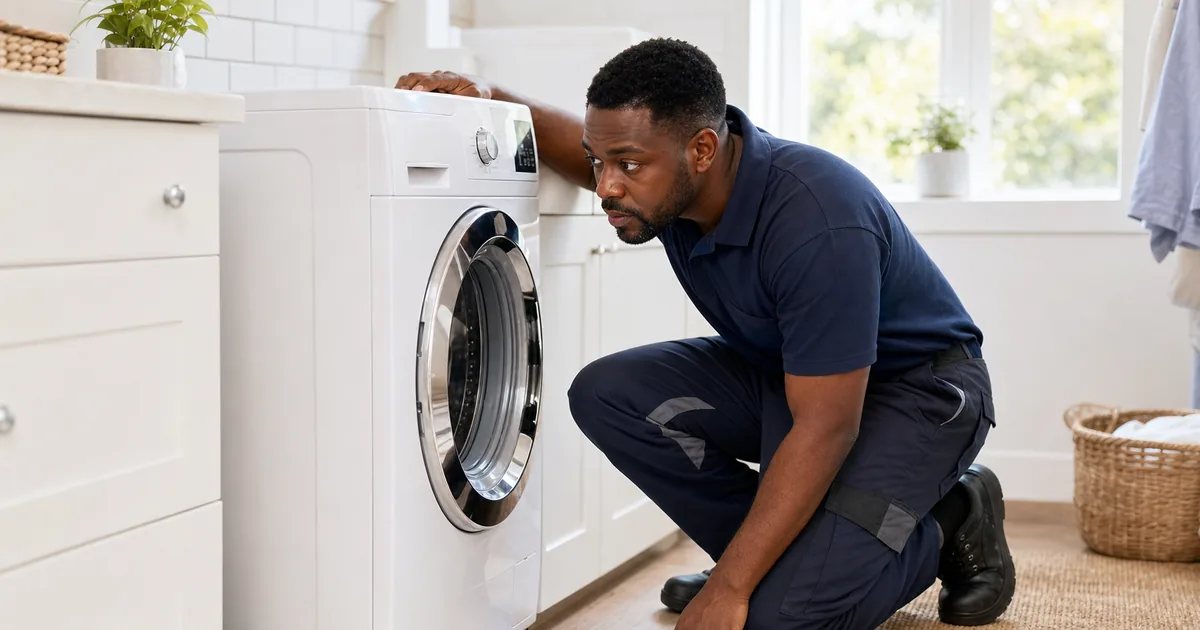
The rule I'd give you: a new noise is worth investigating, and a noise that's getting louder is worth investigating quickly — especially grinding or rumbling, which points to bearings. Catching it early genuinely is the difference between a modest repair and a replaced machine.
If your machine has developed a sound it didn't used to make, anywhere across Kingston, Portmore, Spanish Town or nearby, reach out and I'll tell you what it is before it gets worse.
Frequently asked questions
A new loud noise — especially grinding or banging — usually means a part is wearing or has come loose. Keep running it and a cheap repair caught early, like a belt or bearing, can turn into a destroyed drum and tub. Get a new noise checked sooner rather than later.
Most often an unbalanced load knocking against the drum, or worn suspension and shock absorbers that can no longer steady it. If balancing the load doesn't fix it, the suspension or bearings likely need attention.
Oshane founded Baytech Repairs and Installation and still does the repairs himself. He has spent years fixing washing machines, fridges, dryers and stoves in homes across Kingston, St. Andrew and St. Catherine. He writes these guides to help fellow Jamaicans get more life out of the appliances they already own — and to know when a problem is worth a call.