Of all the appliances I work on, the stove is the one where I'm most careful, and the one where I most want you to be careful too. A washing machine that's misdiagnosed costs you a wasted afternoon. A gas stove that's misdiagnosed can cost you a great deal more. So this guide covers the common faults I see — but it leads with the safety rules I never break, because they matter more than any repair tip.
The safety rules I live by
Before any fault-finding, understand these. They're not negotiable in my work, and they shouldn't be in your home.
- If you smell gas, get out first. For anything more than a faint whiff: if you can reach it safely, turn the gas off at the cylinder, then leave the house and call your gas supplier or the fire service from outside — not from the kitchen. Do not switch any electrical device on or off (not a light, not a fan), don't light a flame, and never go hunting for the leak with a lighter or match. A faint smell that clears once you ventilate still needs a qualified person to check the connection before you cook on it again.
- Never bypass a safety device. Stoves have flame-failure devices and thermostats for a reason. If a part is faulty, it gets replaced, not jumped out.
- Disconnect power before working on an electric stove. The elements and the terminal block carry serious current.
- Know your limits. Cleaning a burner is fine. Opening up gas valves or rewiring an element terminal is not a DIY job.
With that understood, let's look at what actually goes wrong.
Gas stove faults
A burner that clicks but won't light
This is the most common gas complaint, and it's usually good news. The igniter is sparking (that's the clicking), but the burner won't catch. Nine times out of ten the cause is a dirty or wet burner — food has boiled over into the ports, or the burner cap is sitting crooked. Let everything cool, lift off the burner cap and head, clean the ports with a pin or stiff brush, dry them completely, and seat everything back properly. If it still only clicks after that, the igniter or spark module likely needs replacing.
A burner that won't click at all
No spark usually points to a failed igniter, a wiring fault, or a control knob/switch that isn't making contact. This is where testing comes in, so it's technician territory.
A weak or yellow flame
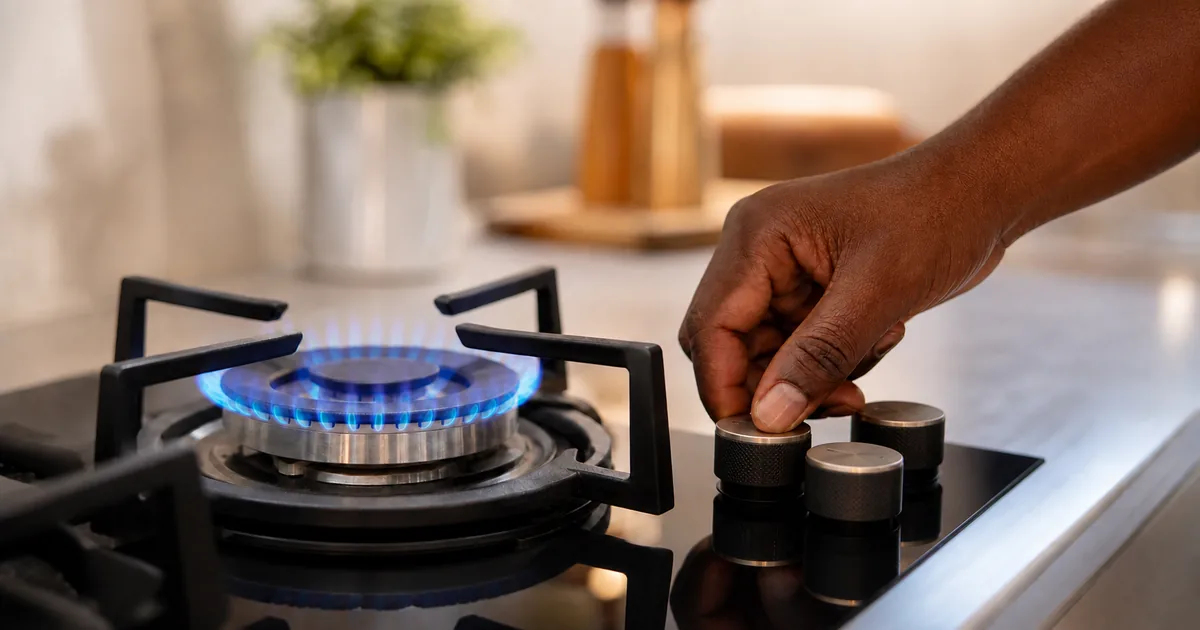
A healthy gas flame is crisp and blue. A weak, yellow, or lazy orange flame means incomplete combustion — usually blocked burner ports or a bad gas-to-air mix — and incomplete combustion can give off carbon monoxide, which you can't see or smell. Clean the burner ports and cap thoroughly. If the flame doesn't come back crisp and blue right away, stop using that burner and have it adjusted properly. This isn't one to live with.
The oven won't heat
In a gas oven, the most common cause is a failed oven igniter or a faulty safety valve. The safety valve won't open to release gas to the oven burner unless the igniter draws enough current — a clever safety design, but it means a weak igniter stops the oven heating. These are standard parts to replace once diagnosed.
Electric stove faults
A burner element that won't heat
Electric coil and radiant elements fail over time. If one burner is dead while others work, the element itself, its terminal connection, or the switch is usually at fault. With the power off, a coil element can be checked and swapped fairly easily; radiant and induction tops are more involved.
The oven won't reach temperature
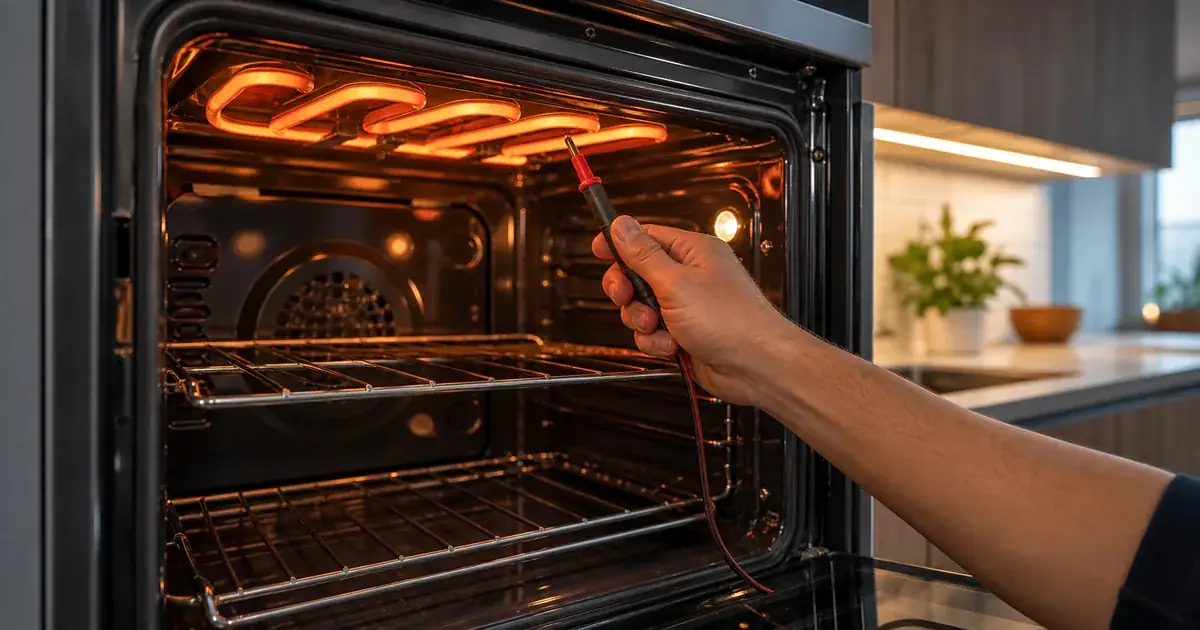
A failed bake or grill element is the usual culprit — and often you can see it, because a failed element may have a visible break or burn mark. A faulty oven thermostat or temperature sensor can also leave the oven cold or wildly inaccurate.
Everything's dead
If the whole stove is unresponsive, check the breaker first, as electric stoves draw heavily and can trip one. If the breaker's fine, the fault may be in the terminal block or the main wiring — and given the current involved, that's a job for a technician.
What's safe to do yourself
Cleaning burners, clearing blocked ports, reseating a burner cap, checking and resetting the breaker, and confirming the stove is actually getting power — all fine. These solve a real share of "my stove won't work" calls.
What to leave to a professional
Anything involving gas valves, gas leaks, igniter and safety-valve replacement, or the electrical terminal block and wiring. The cost of getting these wrong is too high to guess. A proper diagnosis and the right part fitted safely is money well spent.
The bottom line
Stoves are repairable, and most faults are a single affordable part — an igniter, an element, a thermostat. But this is the one appliance where I'd genuinely rather you call than experiment, especially with gas. Our climate and power supply take their toll on stove elements and igniters over the years, so don't be surprised when one eventually goes.
If your stove or oven has stopped working and you're across Kingston, St. Andrew or St. Catherine, reach out. I'll diagnose it safely and tell you honestly what it needs.
Frequently asked questions
For anything more than a faint whiff, get everyone out first. If you can reach it safely, turn the gas off at the cylinder, then leave the house and call your gas supplier or the fire service from outside — not from the kitchen. Don't switch anything electrical on or off, don't light a flame, and never chase a leak yourself. Only cook again once a qualified person has confirmed it's safe.
Usually a dirty or wet igniter, or food debris blocking the burner ports. Clean and fully dry the burner head first. If it still only clicks, the igniter or spark module likely needs replacing.
Oshane founded Baytech Repairs and Installation and still does the repairs himself. He has spent years fixing washing machines, fridges, dryers and stoves in homes across Kingston, St. Andrew and St. Catherine. He writes these guides to help fellow Jamaicans get more life out of the appliances they already own — and to know when a problem is worth a call.