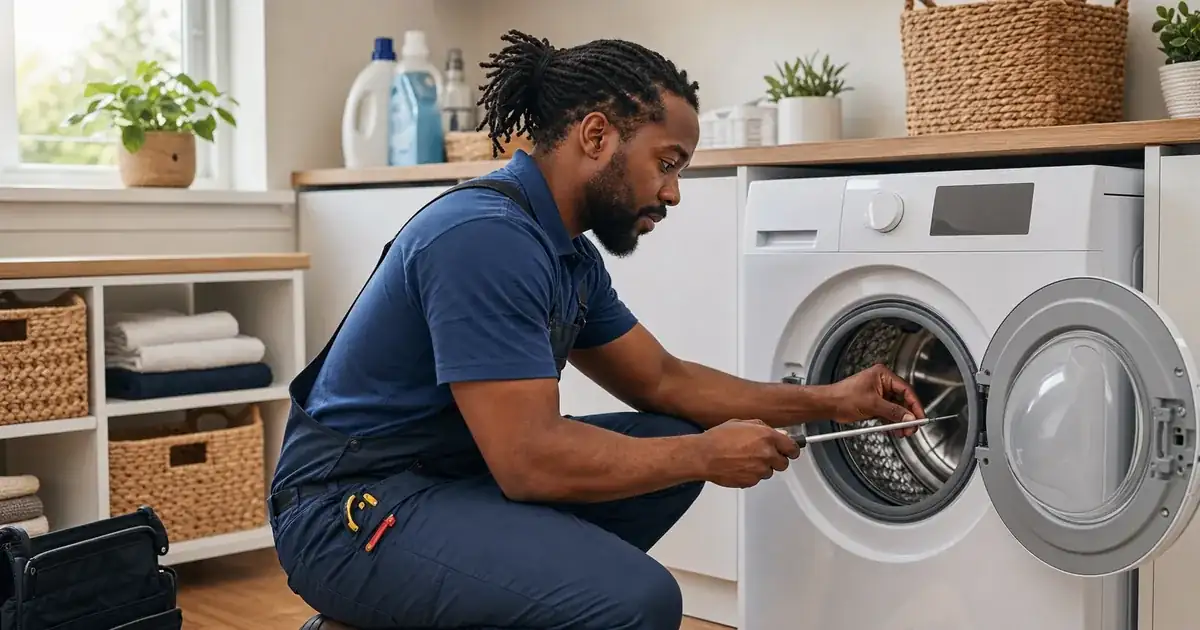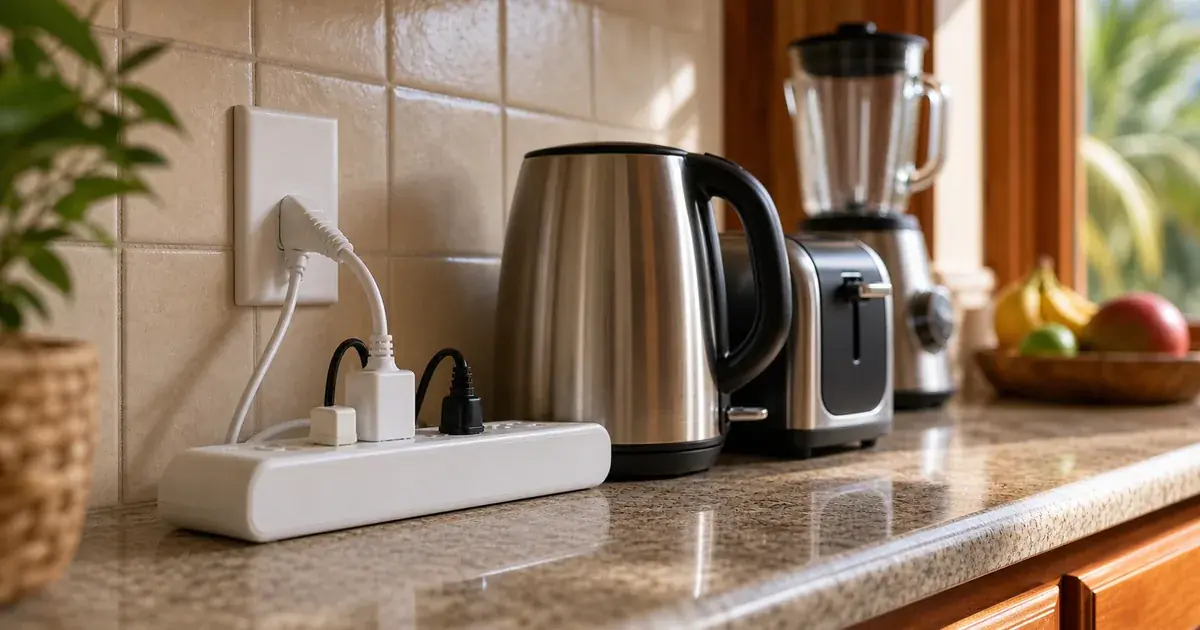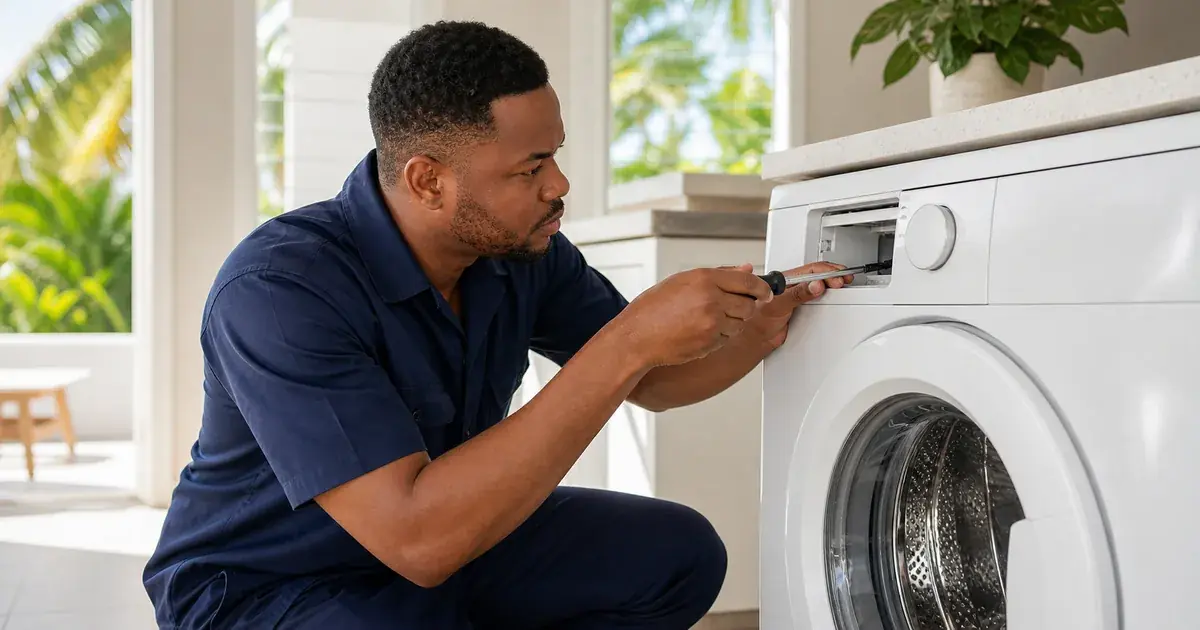
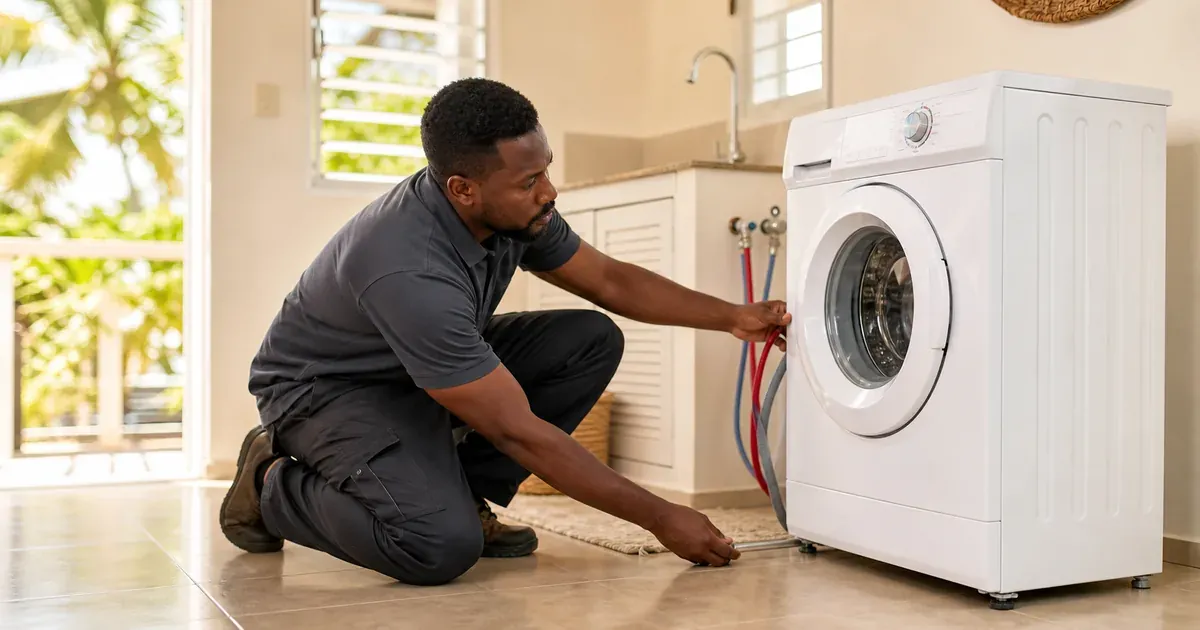
When people buy a new appliance, almost all the attention goes into choosing it — the brand, the size, the price. Installation gets treated as an afterthought, something to rush through so you can start using it. But here's what I've learned from years of being called back to fix the results: a bad installation causes the very problems people then pay me to repair. A leak, a machine that walks across the floor, a gas connection that isn't safe — most of these trace right back to day one.
We're Baytech Repairs and Installation, and the installation half matters just as much. Here's what actually needs to be right.
Washing machines
A washer has water coming in under pressure and water going out, plus a fast-spinning drum — so three things matter most:
- The water connections. The fill hoses must be properly tightened and the washers (the rubber seals) seated correctly. A connection that's a little loose doesn't fail today — it weeps slowly and floods a room weeks later. The drain hose has to be secured at the right height so it drains properly and doesn't siphon.
- Removing the transit bolts. New machines ship with bolts that lock the drum for transport. If they're not removed before first use — and I've seen this missed more than once — the machine shakes violently and damages itself. They must come out.
- Levelling. A washer that isn't dead level rocks, walks, and wears its bearings unevenly. On the uneven tiled floors common in our homes, this takes proper adjusting of the feet, not a quick eyeball.
Dryers
The critical point with a dryer is venting. The vent has to run to the outside with as short and straight a path as possible, properly connected at both ends. A dryer vented into a closed space, or with a crushed or disconnected vent line, traps heat and lint — which kills drying performance, trips the safety cut-out, and is a real fire risk. It's the same issue behind a dryer that won't heat. For a gas dryer, the gas connection carries all the safety points below.
Refrigerators
A fridge looks like the simplest install — plug it in — but two things matter. First, let it stand before switching on: a fridge that's been laid down or tilted in transport needs to sit upright for a few hours so the compressor oil settles, or you can damage the compressor on start-up. Second, give it room to breathe — clearance at the back and top so it can shed heat, which matters even more in our climate. If it has a water/ice line, that connection needs to be leak-tight.
Stoves and gas connections
This is where installation stops being a convenience job and becomes a safety one. A gas stove or cooker must be connected with the correct regulator and hose, every joint checked for leaks, and the whole connection tested before use — with all the gas-safety discipline I lay out in stove and oven not working. This is not a DIY job and not a corner to cut. An electric stove draws heavy current and needs a correct, secure connection at the terminal block. Either way, the appliance should be levelled and stable before it's used.
Why it's worth getting right
Every one of these points, done poorly, becomes a repair call: the slow leak, the machine that destroyed its own bearings because it was never levelled, the dryer that overheats, the fridge with a damaged compressor, the gas connection that should never have passed. Getting the installation right on day one is the cheapest repair you'll ever not have to make — and it protects the warranty and the lifespan of an appliance you just paid good money for.
We handle it end to end
We install washers, dryers, fridges and stoves with safe, certified connections, remove the transit bolts, level the unit, make the water, gas or electrical connections correctly, and test everything before we leave. If you've got a new appliance arriving — or one that was installed in a hurry and isn't sitting right — get in touch. We cover Kingston, Portmore, Spanish Town and the surrounding communities, and we'd far rather set it up properly than be back to repair it later.
Frequently asked questions
Yes — installation is half of what we do; we're Baytech Repairs and Installation. We hook up washers, dryers, fridges and stoves with safe, certified connections, level them properly, and test everything before we leave.
A rushed hook-up causes the very problems I'm later called to repair: leaks from a bad water connection, a machine that walks and wears because it isn't level, or an unsafe gas connection. Getting it right on day one prevents faults and hazards down the line.
Oshane founded Baytech Repairs and Installation and still does the repairs himself. He has spent years fixing washing machines, fridges, dryers and stoves in homes across Kingston, St. Andrew and St. Catherine. He writes these guides to help fellow Jamaicans get more life out of the appliances they already own — and to know when a problem is worth a call.